
By Jane Cook, member of the Food Cardiff Strategy Board
“I spend a lot of my working life thinking about how to get people to notice, try and support independent food and drink businesses in Cardiff.
That was the original idea behind the Cardiff Wine Passport, which I launched in 2022: create a simple reason for people to move around the city, discover venues they might otherwise walk past, and spend directly with independents along the way.
This autumn, I’m testing whether the same idea can work for coffee.
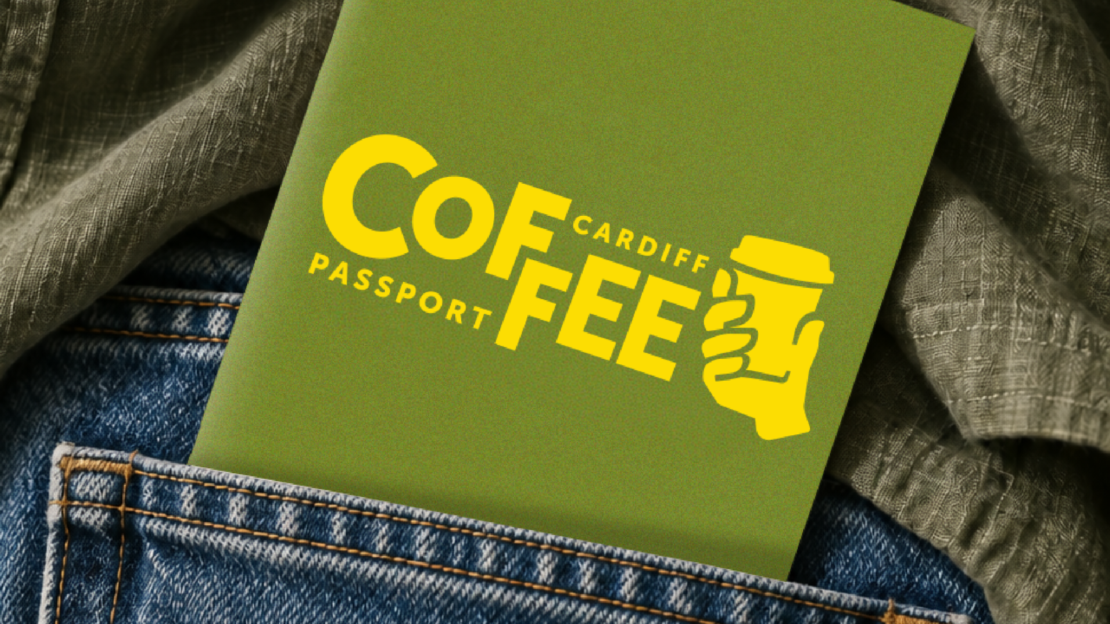
The first Cardiff Coffee Passport is a deliberately small six-week pilot featuring six independent city-centre venues:
- Hard Lines
- Brodies
- Corner Coffee
- Donald’s
- Pettigrew Bakeries
- Society Café.
For £19, Passport holders get one coffee at each venue, with a choice of two specially selected options at every stop. The line-up has been curated around coffee quality, provenance and variety, with venues showcasing different brewing methods including espresso, batch brew and pour over.
But there is another part of the Passport that matters just as much to me: how those coffees are served.
If there is space, we’re asking Passport holders to sit in and use the venue’s crockery. If they want to take their coffee away, they have to bring their own reusable cup.
There is no disposable-cup option for Passport redemptions.
WHY INSIST ON THE REUSABLE CUP?
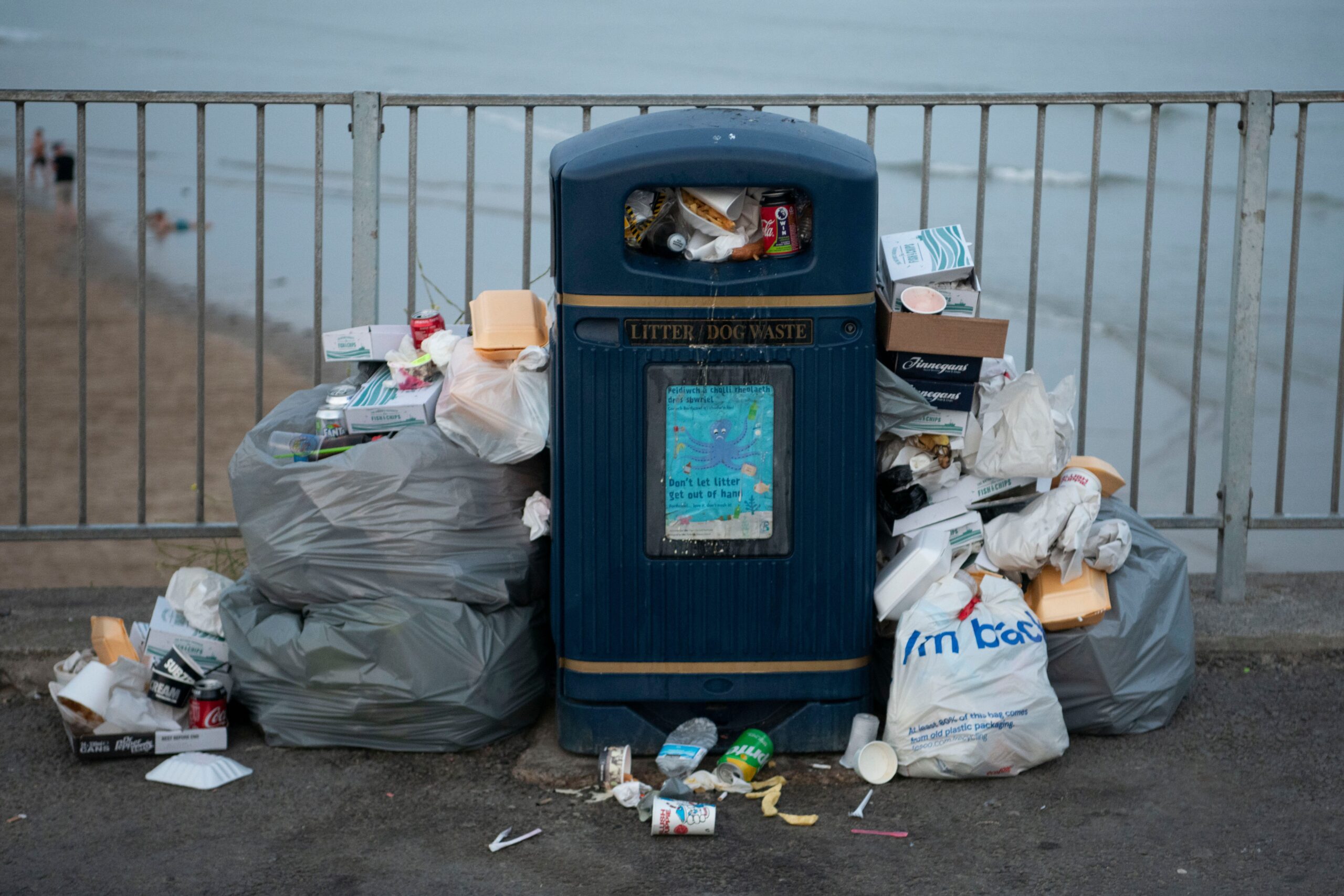
Food and packaging waste has been coming up repeatedly in conversations about Cardiff’s food system.
Earlier this month, Food Cardiff and Cardiff Council brought residents, community groups and local organisations together for a practical workshop looking at how the city can reduce food waste and packaging waste. The session focused on the areas where people and communities can have the most direct influence, including takeaway packaging and single-use coffee cups, with the ideas generated feeding into Cardiff’s developing food and waste strategies.
That’s important because ‘sustainable food’ isn’t only about what we eat and drink. It’s also about the systems around it: how products are packaged, what gets thrown away, how businesses operate and how easy we make it for people to choose differently.
Reducing food and packaging waste was also identified as a priority through Food Cardiff’s wider Food Conversations work and sits naturally alongside the partnership’s goals of creating a more environmentally sustainable Cardiff and, a thriving local food economy.
Coffee cups are a particularly visible example of that challenge.
Most of us know reusable cups are a better option. Plenty of us own one. The problem is remembering it, carrying it, and turning reuse from something we intend to do into something we do routinely.
That is why I wanted the Coffee Passport rule to be clear rather than optional.
Drink in or bring your own cup.
No guilt trip, no complicated system – just a small behavioural nudge built directly into something people already want to take part in.
LEARNING FROM CARDIFF’S REFILL RETURN CUP PILOT
This isn’t the first time Cardiff has tested ways to make reusable coffee cups easier.
In 2024, through working with FOR Cardiff, I helped manage the launch of the Cardiff Refill Return Cup pilot, delivered with environmental charity City to Sea.
Customers could borrow a reusable cup through the Refill app and return it to participating venues, rather than taking a single-use cup away.
The fullest operational results from that pilot recorded 12,139 cup loans and a 97.8% return rate, with 769 active cup-scheme users. One venue even reported saving more than £600 in takeaway packaging costs during the pilot.
What I found particularly interesting was not just the scale of use, but the evidence that reuse could become part of people’s normal routines when the system made it easy enough.
That feels relevant to the Coffee Passport too.
This project is much smaller, and much simpler. We are not building a city-wide return system or asking businesses to manage borrowed stock. We are asking 300 Passport holders to carry their own reusable cup with them while they work their way around six venues over six weeks.
But the principle is similar: make the sustainable behaviour part of the experience – rather than an optional add-on.
SUPPORTING THE LOCAL ECONOMY
The Cardiff Coffee Passport is also about celebrating the quality of Cardiff’s independent coffee scene.
Each participating business was chosen because coffee is a serious part of what they do. Across the six venues, customers will find house blends, rotating guest coffees, independently roasted beans and different brewing methods, with plenty of opportunity to try something they might not usually order.
The hope is that people do more than simply collect six stamps.
Perhaps they try batch brew for the first time. Perhaps they find a new favourite café. Perhaps they buy a bag of beans to take home, add a pastry while they are there – and return to some of the businesses after the Passport has ended.
That local economic element matters too. Food Cardiff’s work is built around the understanding that a better food system needs to support communities, businesses and the environment together, rather than treating them as separate issues.
The Cardiff Coffee Passport has been supported through the FOR Cardiff City Ambition Fund, which has enabled me to develop and test the idea at a manageable scale.
There are just 300 Passports in this first edition.
If it works, we can learn from it and think about what comes next. If it helps hundreds of people discover independent coffee businesses while getting into the habit of carrying a reusable cup, that feels like a useful result.
Because ultimately, changing a city’s food system is not one big intervention. Many actions are needed to create the conditions for people and organisations to make a change, with those actions reinforcing one another over time.
And sometimes, it can start with something as simple as remembering your coffee cup.”
Find out more about the Cardiff Coffee Passport at www.cardiffcoffeepassport.co.uk and @cdfcoffeepassport on Instagram.